
Haas Scholars make Shakespeare their own by recreating scenes from his most famous play
By Danna Villatoro
Kathy Manus, one of the English teachers at Haas Hall Rogers, gave her scholars the opportunity to adapt the famous English playwright’s characters into their own words.
Manus stated, “I think that the way they interpreted [the play] allowed them to… connect it to the ideas they experience in real life.” The way the scholars connected the material surprised Manus; she didn’t expect them to get so involved with it and put in as much effort as they did. “I was really proud of them,” Manus noted.
This project helped scholars develop skills that extend beyond literature, such as relatability. Regardless of their age, scholars can connect to stories and make them their own, as they did with Romeo and Juliet. Creative interpretation of much older texts like Romeo and Juliet is crucial for understanding them. Manus explained, “I think that students aren’t able to creatively interpret a text if you only give questions or essays.” If she had relied solely on worksheets, questions, and essays about the play, the scholars wouldn’t have made the same connections.
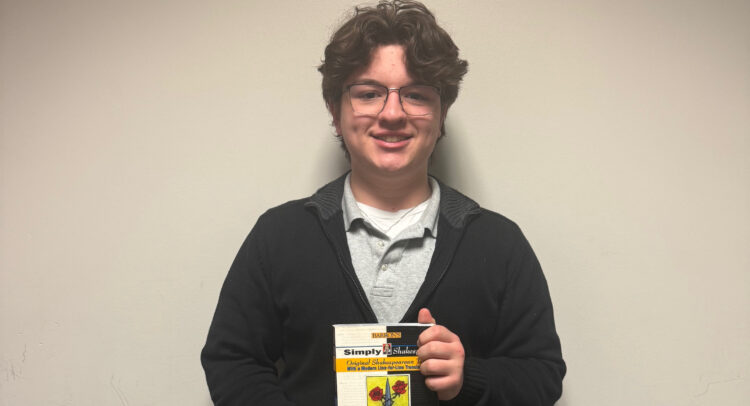
Robert Jackson, a scholar in Manus’ class, said he chose to participate in the play because it allowed him to “be more creative and have more freedom.” He staged the play the way he did because the group thought it would be funny and creative. He changed the scene where Romeo decides not to go to the party the Capulets were having to highlight their unique interpretation.
Jackson said the biggest challenge was “getting everyone to [cooperate]” since not everyone wanted to perform in front of other people. They all overcame this challenge by combining their ideas to make a great play. Not only did they entertain people, but they also had fun while planning it.
